

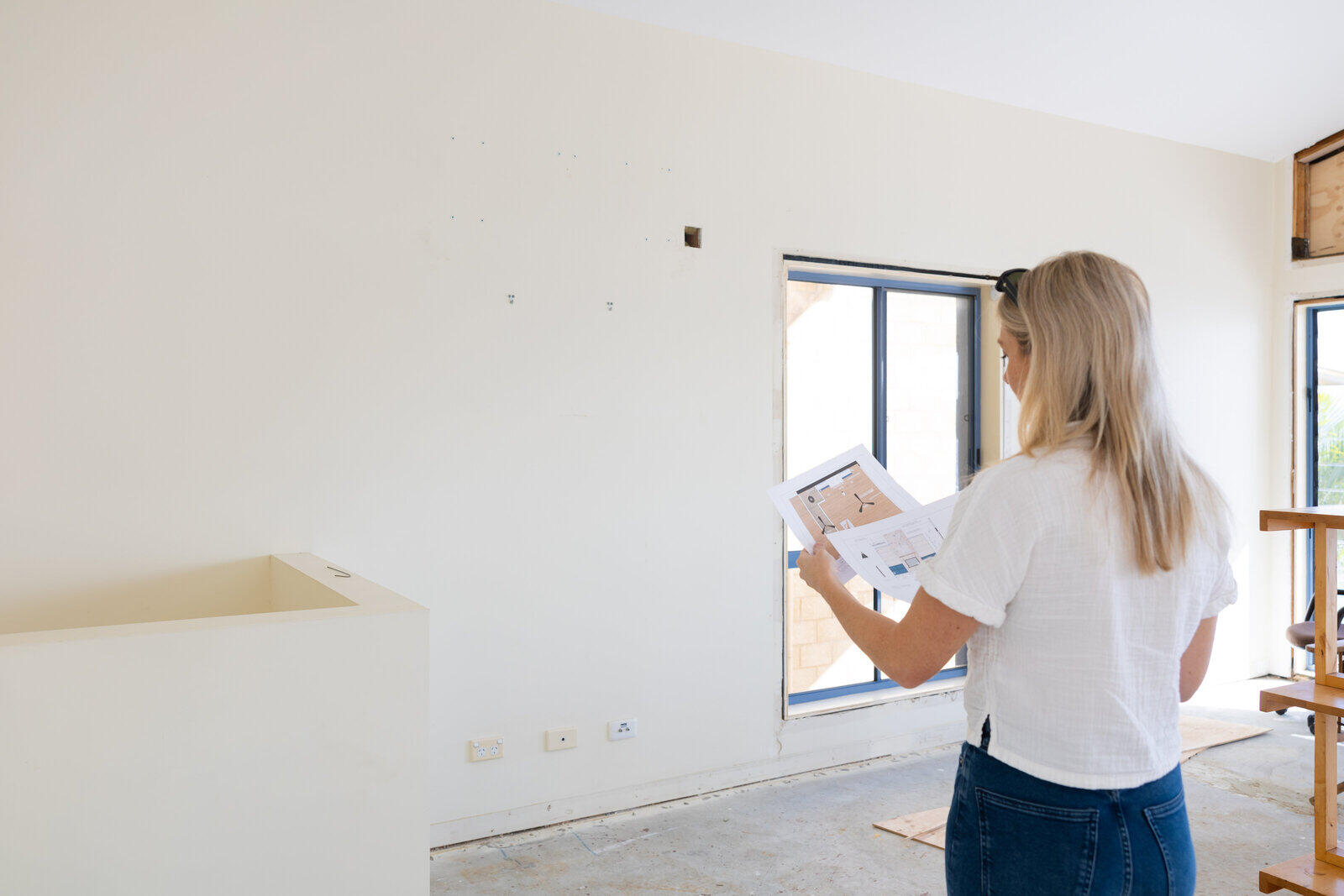
Why Having an Interior Designer Supervise the Site Matters
When it comes to transforming a design concept into a tangible space, execution is everything. While contractors handle construction, timelines, and logistics, they aren’t always focused on the finer details that make a design exceptional. That’s where having an interior designer on-site becomes invaluable. Their oversight ensures that your vision isn’t compromised and that every element of the space is executed to the highest standard.
A contractor builds what’s on paper; a designer ensures it becomes reality—without compromise.
By keeping an interior designer on-site, you ensure accuracy, consistency, and excellence throughout the project. While it might seem like you’re saving money by relying solely on a contractor, compromises in finishes, overlooked details, or delays often end up costing more in the long run.
A designer’s supervision prevents mistakes before they happen, maintains the integrity of your vision, and ensures timelines are met. The result isn’t just a completed space—it’s a thoughtfully executed environment that fulfils its purpose, delights its users, and stands the test of time, saving both money and stress over the long term.
Design supervision guarantees that every detail reflects the vision, quality, and purpose of the space.

1. Protecting the design vision
Every material, color, fixture, and layout choice in a design has a purpose. Contractors may interpret plans differently or suggest substitutions that save time or cost, but these changes can alter the original concept. An on-site designer ensures that the design intent is maintained, so the finished space looks and feels exactly as envisioned.
2. Quality control and precision
Interior designers are trained to notice the details others might miss: proper alignment of finishes, color matching, furniture spacing, and the subtle nuances of textures and materials. This level of attention prevents mistakes that could otherwise compromise both aesthetics and functionality, ensuring a flawless, professional finish.
3. Effective communication and coordination
Designers act as the bridge between the client, contractors, and suppliers, translating design specifications into actionable instructions. They can quickly clarify any confusion on-site, approve necessary changes, and maintain consistency throughout the project, avoiding costly miscommunications or delays.
4. Real-time problem solving
Construction often comes with unforeseen challenges. On-site designers can make immediate, informed decisions that balance design integrity with practical solutions, whereas contractors may make adjustments that prioritize speed over accuracy. This ensures the space stays true to the original vision without sacrificing quality or aesthetics.
5. Long-term value and durability
Attention to detail during execution affects not just appearance, but also functionality and longevity. Designers ensure that materials are properly installed, finishes are protected, and furniture and fixtures are placed for optimal usability. This oversight safeguards your investment and ensures the space remains functional and beautiful for years.
6. Enhancing client experience
Having a designer on-site gives clients peace of mind. You know that someone who deeply understands the vision is monitoring progress, troubleshooting issues, and maintaining high standards, so you can focus on other aspects of your project without constant worry.


Leave a Reply